By Jeff Boutell
October 14, 2026
Understanding how your septic system works is crucial for ensuring its longevity and efficiency. Let's take a look at some essential information you need to maintain your septic system effectively, avoiding costly repairs and environmental hazards. By familiarizing yourself with the workings and needs of your septic system, you can enjoy the benefits of a properly functioning system for years to come.
Understanding Your Septic System
The Components of a Septic System
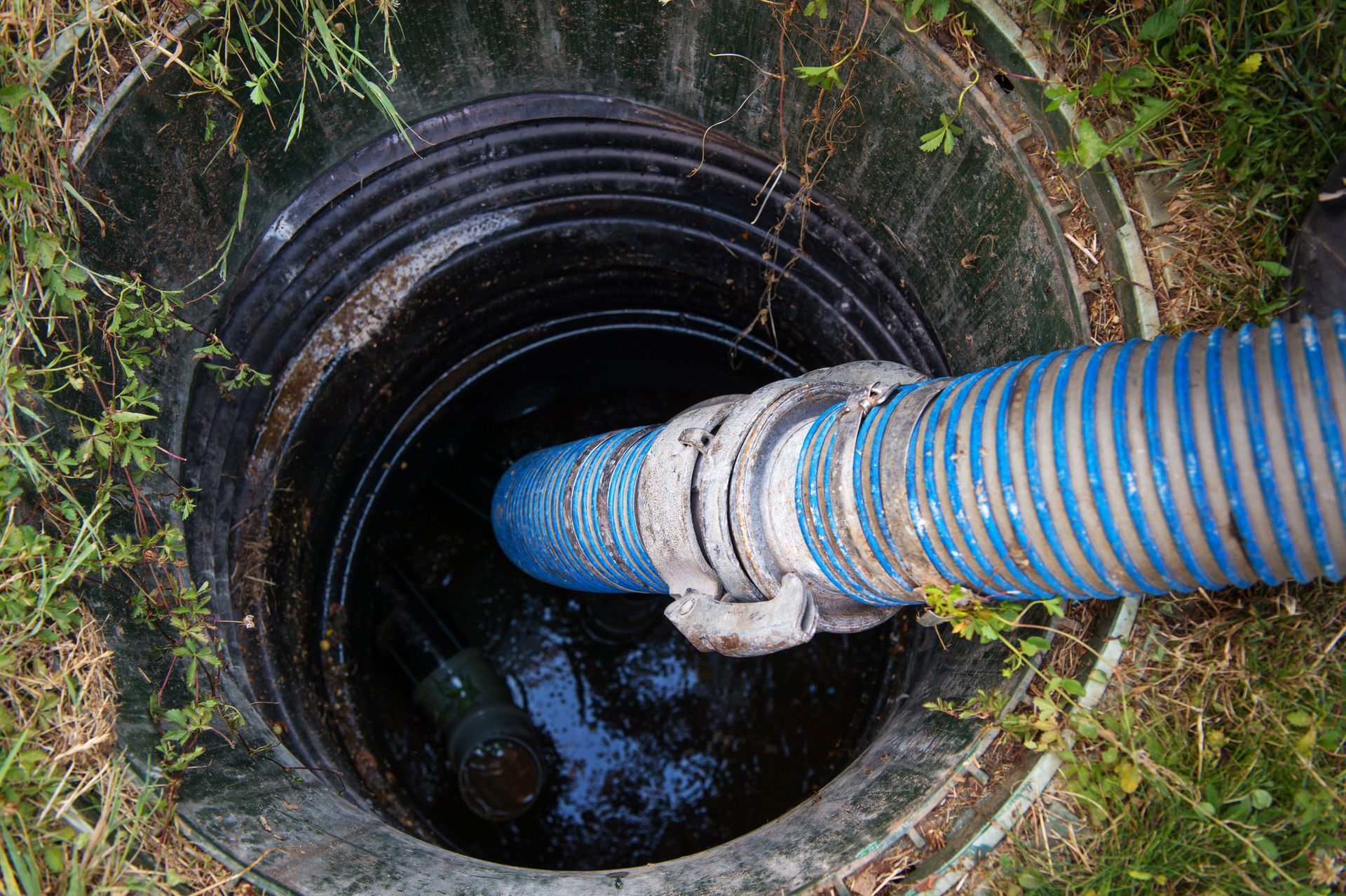
A standard septic system typically consists of a septic tank, a drain field, and the surrounding soil. The septic tank is usually a watertight container made of concrete, fiberglass, or polyethylene, designed to separate and store solids from the wastewater. Once waste enters the system, bacteria begin breaking it down in the tank, with the remaining liquids being discharged into the drain field. The drain field, or leach field, further treats the liquid by allowing it to seep into the ground where natural processes complete the treatment. The soil acts as a crucial final filter, removing pollutants before the wastewater reaches groundwater.
How a Septic System Works
The process begins when wastewater from household plumbing flows into the septic tank. Inside the tank, solids settle at the bottom, forming sludge, while oils and grease float to the surface as scum. Bacteria in the tank partially decompose both sludge and scum, reducing the volume of solids. The remaining liquid, known as effluent, exits the tank and enters the drain field through a series of perforated pipes. Over time, the effluent slowly percolates through the soil where microorganisms continue to cleanse the water naturally before returning to the groundwater system.
The Importance of Regular Maintenance
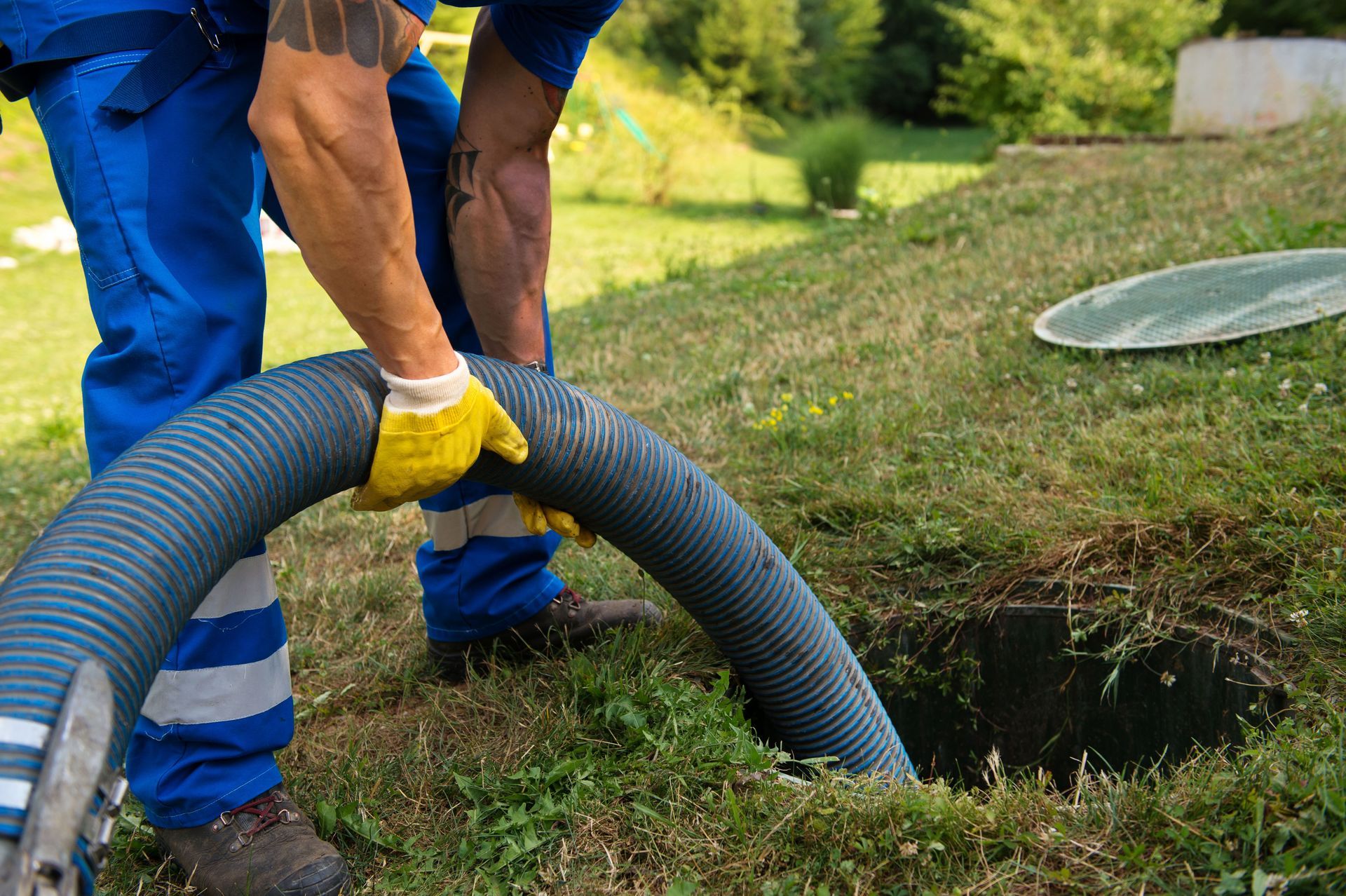
Regular maintenance is key to preserving the efficiency and functionality of a septic system. Without routine inspections and pumping, solids can build up in the tank and can eventually overflow into the drain field. This not only clogs the system but can also cause sewage backups into the home, along with costly repair bills. Moreover, a properly maintained septic system protects the surrounding environment by preventing polluted water from seeping into the ground and contaminating local water sources. Regular maintenance ultimately ensures the longevity of your septic system, preserving both your property and local ecosystems.
Common Signs of Septic System Issues
There are several common indicators that a septic system may require attention or repair. Slow-draining sinks and toilets can signify a blockage or a full septic tank, whereas odd gurgling sounds from plumbing fixtures might indicate a venting issue or clog. Persistent unpleasant odors around the property are often a sign that sewage is not being adequately processed or contained. Another warning sign is lush, unusually green patches of grass over the drain field, which can suggest drain field saturation or effluent surfacing. Immediate attention to these warning signs can prevent more severe septic issues and costly repairs down the road.
Establishing a Regular Maintenance Schedule
Frequency of Inspections
Regular inspections are a critical component of effective septic system maintenance. Typically, experts recommend having a septic system inspected by a professional at least every three years. For systems with mechanical parts, more frequent inspections may be necessary. During these inspections, professionals can assess factors like sludge and scum buildup, ensuring the tank is not nearing capacity, which could lead to overflow. By identifying issues early, you can prevent potential damage and keep your septic system running efficiently.
Pumping Schedule for Your Septic Tank
The pumping schedule for a septic tank varies based on its usage and the size of the household. According to This Old House, a two- to three-bedroom home typically needs a septic tank with a minimum capacity of 1,000 gallons, which should be pumped every three to five years. Regular pumping prevents solids from accumulating too much and blocking the system. However, excessive water use and introducing harmful substances into the system can increase the frequency of required pumping. Keeping track of usage and scheduling regular pumping based on professional recommendations will ensure your septic system operates efficiently.
Seasonal Considerations and Adjustments
Septic system maintenance may vary with the changing seasons. During winter, cold temperatures can cause pipes to freeze, so insulating pipes and tanks may be necessary. In contrast, summer may require close monitoring of water usage due to increased household activities or irrigation needs. Monitoring and adjusting septic system usage based on seasonal demands help alleviate unnecessary stress on the system. Preparation and proactive adjustments made throughout the year ensure the septic system functions properly through seasonal changes.
Best Practices for Septic System Usage
Water Conservation Techniques
To alleviate strain on your septic system, employing water conservation measures is beneficial. Installing low-flow fixtures and appliances reduces water usage, which prolongs the time between needed pumping of the septic tank. Repairing leaks promptly and using water-efficient practices such as shorter showers or mindful dish washing can have a significant impact on water usage. Besides reducing stress on the septic system, conserving water also saves on utility bills. Water conservation plays a crucial role in maintaining a healthy, cost-effective septic system.
Avoiding Disposables and Harmful Chemicals
To maintain a healthy septic system, it's crucial to be mindful of what enters the wastewater. Disposing of items like diapers, wipes, feminine hygiene products, or even certain chemicals can cause clogs and disrupt the septic system's beneficial bacteria. Introducing too many harmful chemicals, such as household cleaners or oil-based products, into the system can impede its biological processes and even kill essential bacteria. It is important for homeowners to use environmentally friendly alternatives and follow proper disposal practices. Responsible wastewater management ensures the efficiency and longevity of the septic system.
Proper Disposal of Grease and Solids
Improper disposal of grease and solids can quickly lead to septic system blockages. Grease and fat solidify within the pipes, creating tough blockages that can be difficult and costly to remove. Avoid dumping kitchen scraps or non-biodegradable waste down the drain. Using drain screens can help catch debris that may otherwise exit into your wastewater and become problematic. Homeowners should seek alternative disposal methods like composting or appropriate waste removal to prevent septic-related issues.
Troubleshooting Common Problems
Recognizing Warning Signs Early
Early detection of septic system problems is essential for preventing costly repairs and consequences. Being vigilant for warning signs like sewage odors, slow drainage, and unusual sounds can help homeowners address issues promptly. Regular observation and maintenance can greatly improve a system's lifespan. Acting on these warning signs allows homeowners to resolve minor problems before they escalate into significant and costly repairs. Knowing and understanding the typical warning indicators equips homeowners to take responsible action toward maintaining their septic systems.
Calling a Professional
Knowing when to contact a professional is paramount to addressing major septic problems effectively. DIY methods should be used as preventive measures or for very minor issues, but complex problems require expert assessment. For emergencies such as sewage backups, persistent drainage problems, or distinct septic odors, professional inspection and assistance are essential. Trained professionals can provide advanced diagnostics, accurately identifying issues that are not readily apparent to homeowners. Timely professional intervention ensures proper resolution of issues and prevention of future problems, safeguarding both the septic system and homeowner peace of mind.
Maintaining your septic system is essential for protecting both your investment and the environment. By following the guidelines and tips provided, you can ensure your septic system runs efficiently and sustainably, avoiding unnecessary expenses. For more helpful tips, reach out to the experts at Hartland Septic today.